 Credit the low-mounted battery pack, which helps quell body roll through turns, as well as the immediate thrust from the all-wheel-drive crossover’s two electric motors (one at each axle). Offered in 75D, 100D, and high-performance P100D trims, the three all-wheel-drive models are capable of traveling from 238 miles (75D) to 295 miles (100D) on a full charge. In spite of its extra heft, the Model X 75D scoots to 60 miles per hour in a manufacturer-estimated 4.9 seconds, or 0.4 second behind the I-Pace. That extra fat doesn’t go unnoticed either, and the Tesla feels more laterally lethargic than the Jaguar. With a maximum cargo capacity of 51.0 cubic feet, the Jag is down more than 30 cubes to the Tesla. 3,000 third-row seat, bringing its passenger capacity up to seven from five. Although the three-across rear bench is cushy and comfortable, the space it affords is on the smaller side, especially for the middle-seat passenger.
 Opting for the Jag’s pricey Performance seats also adds seat heaters to the rear outboard seating positions. That’s not to say the Tesla is without its share of parlor tricks.The crossover’s grille-less face adds a distinct look to the Model X, while its “falcon” rear doors continue to tickle us with delight. Annoyingly, Tesla forgoes folding center armrests for both second and third-row passengers. Both vehicles offer limited interior cubbies, as well, and the I-Pace relies on a covered center console as the primary source of cabin storage. Tesla: Small-item storage in the Model X is no better, and passengers must make do with a relatively shallow covered storage bin ahead of the center console armrest. It can climb very steep hills, and ford very shallow streams (again, yes, we did that) so it's surprisingly — don't say "shockingly" — capable, not normal for most crossovers. Jaguar: Jaguar calls the I-Pace a crossover, but it can just as well fall into high-performance hatchback territory.
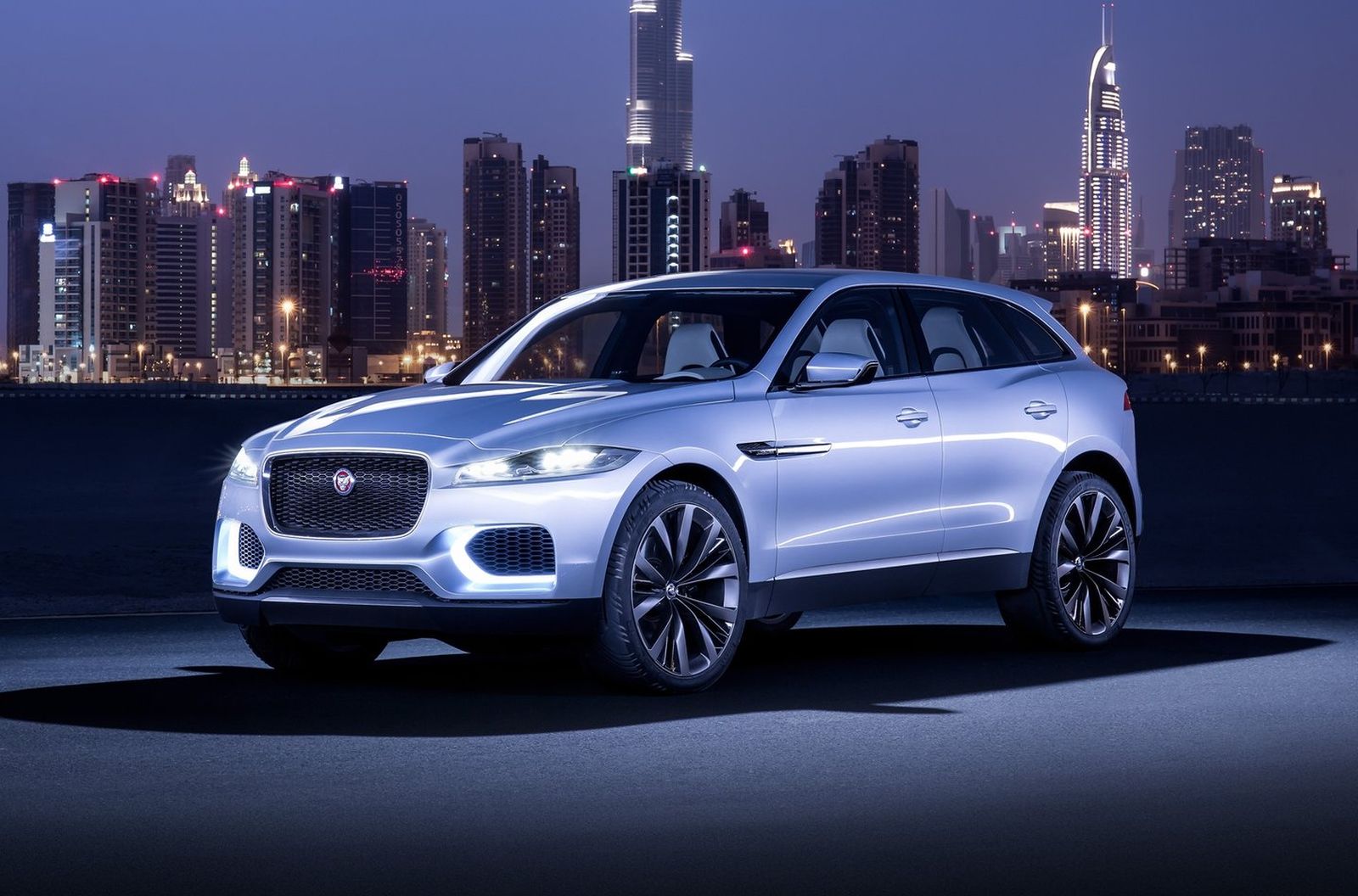
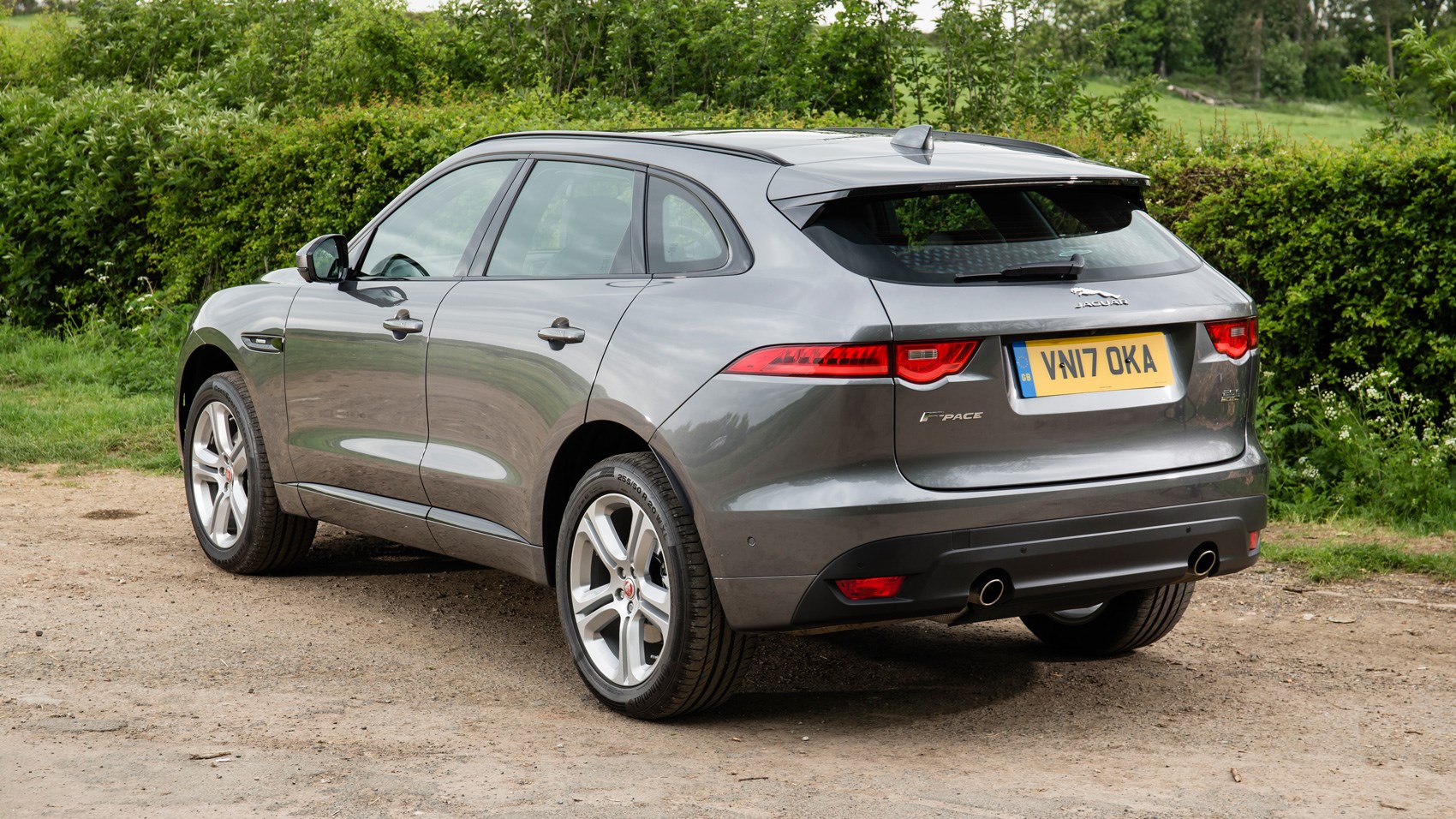
Jaguar earns high praise for its first battery electric vehicle, the 2019 I-Pace. The Jaguar I-Pace is new for 2019 and marks the British brand’s first foray into the battery-electric-vehicle segment. While the Tesla’s ride quality and brakes just edge out those of the Jag, its less engaging persona and slightly slower acceleration ultimately swing the needle in the direction of the I-Pace. While the rearmost row is fine for young children, its cramped quarters are less-than ideal for adults. It joins a segment that, while still in its infancy, seems ready to take off. That sleek machine is still working its way toward production, albeit much more slowly than originally anticipated. Unsurprisingly, Dynamic mode also makes for far more predictable lateral dynamics from the 4,784-pound electric vehicle. 40,000 starting prices, these vehicles lack the style and luxury-lined cabins of pricier electric crossovers from marques such as Tesla and Jaguar.
Yet, the Tesla infotainment system feels like the more polished of the two, even if we think its shine is beginning to dull. Regardless, the big Tesla never feels short on power, and the crossover is always apt to pass slower moving traffic or merge onto freeways. The trot to 60 miles per hour takes a manufacturer-estimated 4.5 seconds, and, thanks to the immediacy of the electric motors’ power, it feels even quicker. Pricing and design will likely be the biggest differentiators in this electric crossover class. With well-weighted steering, limited body motions, and a combined 394-horsepower courtesy of two electric motors (one at each axle), the I-Pace is an absolute riot to drive with enthusiasm. The I-Pace features only one powertrain configuration and battery size: two motors producing a total of 394 horsepower and 512 pound-feet of torque fed by a 90 kWh battery. Since 2003, the Tata Group has bought the truck unit of South Korea's Daewoo Motors, a stake in one of Indonesia's biggest coal mines, and steel mills in Singapore, Thailand, and Vietnam.
The F-Type is arguably one of Jaguar's best-handing sports cars in years, but a short spin through a planned community is no way to test a concept wearing a production vehicle's underpinnings. Here's Geely's spin on the Volvo XC40: the concept car the Chinese carmaker calls the Concept Icon. Its sleek, coupe-like silhouette was influenced by the Jaguar C-X75 supercar concept. Jaguar: The I-Pace is the first Jaguar to receive the brand’s latest dual-screen infotainment system (the setup is also available in certain Land Rover models). The I-Pace bounces a little differently from vehicles that have engines in their noses. With the 17.2-gallon tank, driving distance could have been 530 miles before needing a refill. Fortunately, the crossover’s two-mode regenerative braking is strong enough to permit one-pedal driving during typical travels. A massive touchscreen controls much of the crossover’s infotainment and convenience features, and allows the dashboard to be largely free of physical buttons. Tesla: Tesla’s massive 17.0-inch touchscreen remains the crown-jewel of infotainment systems.